Guest
Dr. Temple Grandin
Interview
Dr. Temple Grandin – Change of Mind Podcast
Year
2025
Johanna’s interview with Temple Grandin stands as a defining piece of her recent work, blending clinical curiosity, lived experience, and a conversation that strives to be both intellectually insightful and genuinely human.
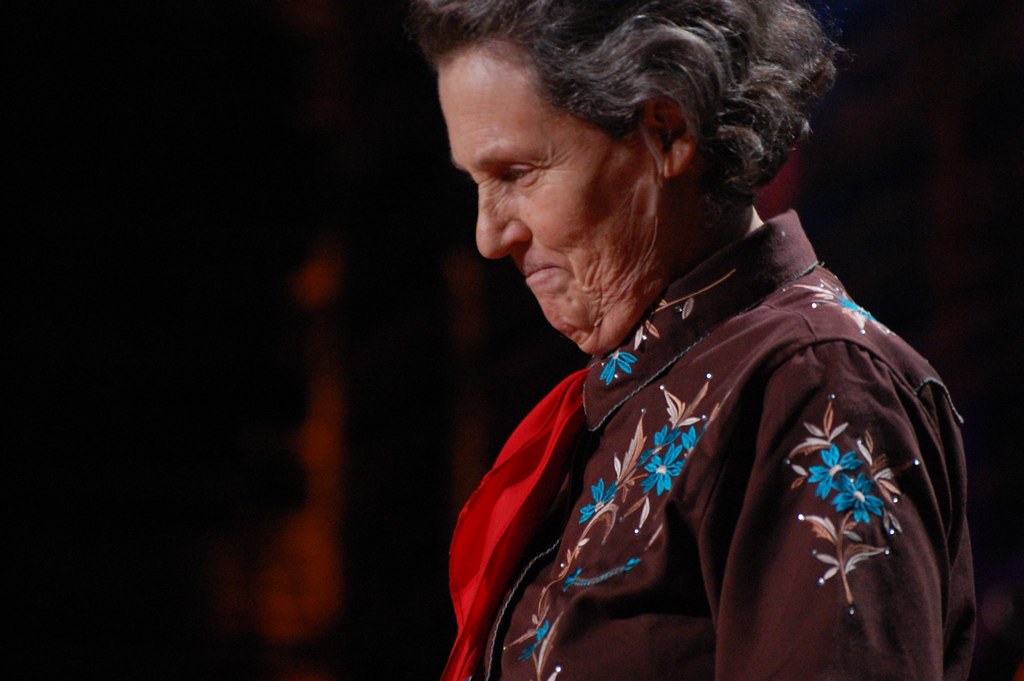
Dr. Grandin is one of the most widely recognised voices in autism advocacy. She is a professor of animal science, a pioneer in humane livestock handling (with systems used across the world), and an author whose work has shaped how autism is understood. Diagnosed at a time when institutionalisation was often the default, her life trajectory has become a reference point for what can happen when support, expectation, and environment align.
Watch the full six-part interview here.
Together in conversation with Johanna, they explore Dr. Grandin’s early years, her visual thinking style, sensory sensitivities, and the systems that either enabled or limited her development. Rather than reducing autism to a single narrative, the discussion leans into variability and complexity – differences in brain wiring, rather than deficits.
The interview moves easily between personal story and practical application. They cover formative milestones – learning to drive, navigating difficult adolescent years, and the long-term impact of being challenged versus protected – alongside broader conversations around education, therapy, and community support. A consistent thread is the idea of assuming capacity, while recognising that competence is built over time, often with very deliberate scaffolding.
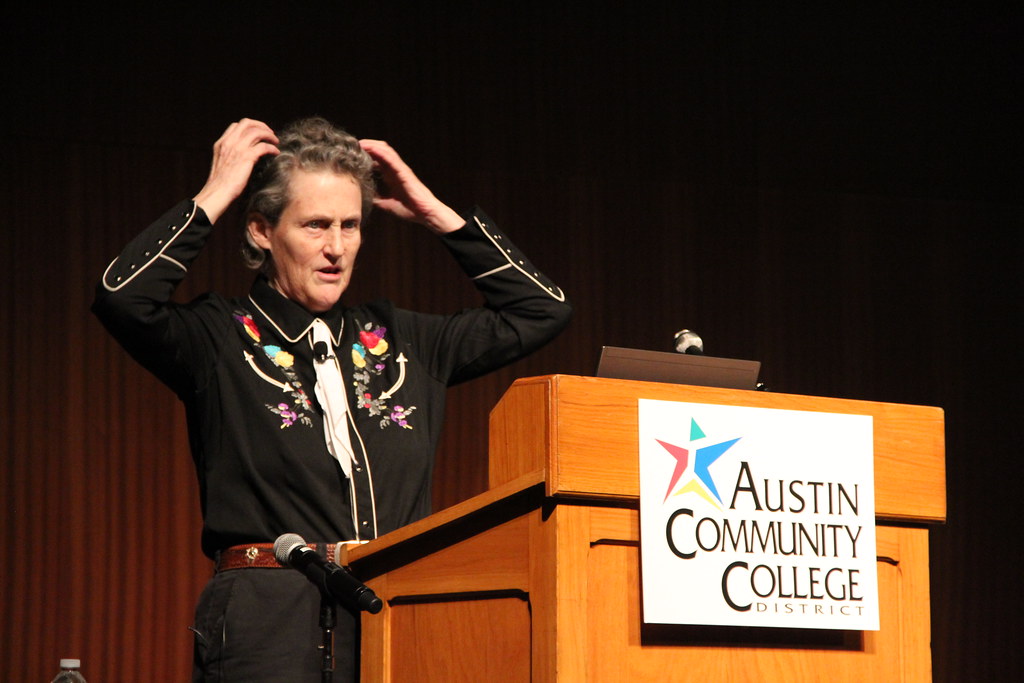
Johanna’s clinical lens sits quietly in the background, allowing her to translate complex ideas without diluting them. She also draws a clear line between Dr. Grandin’s cognitive style and her groundbreaking work in animal welfare, offering a tangible example of how different ways of thinking can drive innovation when they’re understood rather than suppressed.
It’s not a sentimental conversation, and it doesn’t try to be. It’s practical, nuanced, and occasionally confronting in the best way – inviting listeners to rethink how they interpret behaviour, potential, and support, particularly when it comes to neurodivergent individuals. If you are or manage a professional who you would like Johanna to interview, please reach out here.